Facilities
The faculty of SEC is based over two campuses; Penrhyn Road and Roehampton Vale.
Penrhyn Road
Have a look at some virtual tours of the Penrhyn Road campus
-
Civil Engineering and Construction
View some of our facilities
Our dedicated concrete laboratory enables students to learn about the science of concrete design, manufacture and testing, such as the constituent materials of concrete, including the latest sustainability issues regarding the use of recycled aggregate, crushed recycled glass sand, recycled tyres as reinforcement, and lightweight materials. There are curing facilities with controlled humidity and temperature, where hardened concrete is stored prior to testing by destructive and non-destructive means.
Our extensive structures equipment laboratory for concrete, masonry, steel, timber and composites is where structures made by students are tested to destruction to appraise their design and to prevent and control the overloading and collapse of structural elements.
The materials laboratory enables the testing of a comprehensive range of engineering materials.
Our geotechnical laboratory houses equipment for testing many different types of sand, soil and rock to establish its bearing capacity for foundation design. Much of this equipment was designed at Kingston and is now in general use in industry.
The hydraulics testing facility is home to three river flumes for hydraulic modelling of dams, weirs and other structures and equipment. The wave generator is used to test sea wall construction and renewable wave energy devices. There are also facilities to examine the effects of river scour on bridge piers.
An extensive range of surveying equipment, including the latest digital levels and total stations that are used on modern construction projects, is available for use. We have also invested in Global Navigation Satellite Systems equipment that can pinpoint position with great accuracy using the satellites of both the American GPS and Russian GLONASS systems. This is the same equipment used on the London 2012 Olympic site, and we use it on our field courses.
We have dedicated computing facilities for civil engineering and construction students enable access to computer-aided design software that includes AutoCAD and SolidWorks.
-
Computing and Information Systems
View some of our facilities
Depending on the course you choose, you'll use specialist facilities such as multimedia equipment, games consoles, cameras and robotic units, and work in labs equipped with the latest networking hardware, PCs and Apple Macs. Plus, you will learn programming languages such as C++, HTML, Java, PHP, SQL and Visual Basic.
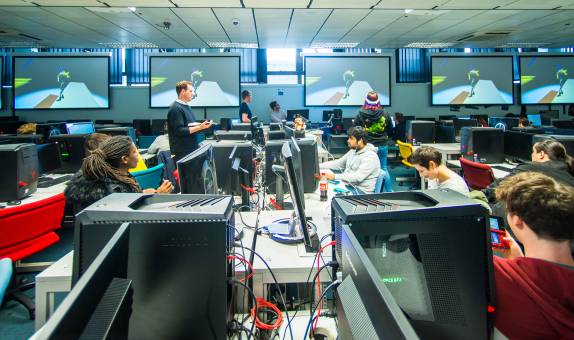
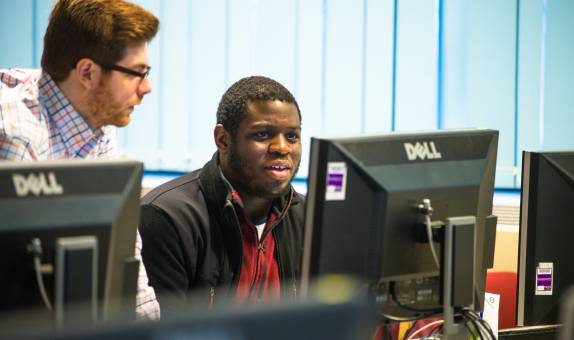
Our computing laboratories are fully equipped with fold-flat LCD screens, data-projection systems and high-spec processors.
We have the latest development software and tools such as:
- Linux, Microsoft.net, Dreamweaver, Flash, Eclipse, Java 2 Standard and Mobile Editions, tools for developing mobile apps, UML and CASE tools and NXP Processor Development Kits.
- Plus Digital Signal Processors (PNX 1005) and set top box development kits;
- National Instruments hardware kits and LabView
- extensive Cisco networking equipment and development tools
- a mix of wireless LAN technologies.
We have a dedicated digital forensics laboratory equipped with Forensic ToolKit (FTK 3.0) for computer forensics, XRY for mobile forensics, Hex Workshop, and biometrics equipment including an iris scanner, fingerprint sensors and SDK used for fingerprint, face and iris recognition.
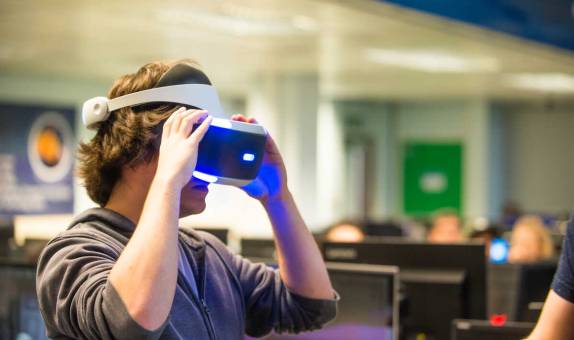
Our comprehensive games laboratory has everything you'll need for studying games development, including workstations equipped with SONY PSPTM development kits, XboxTM consoles and PS3TM development kits - which can be programmed using the PCs on every desk. Plus various makes of mobile phone and the associated development software. You may also use the 'inKUbator' as part of your studies, where students from media and games courses work in teams of artists and programmers to create original games with commercial potential. Here you can develop and prototype original game concepts with the help of industry experts. The inKUbator also invites industry guests to come along to pitch their projects for you to test - or even work on them.
-
Geography, Geology & the Environment
View some GIS images
We have a dedicated 25 workstation Geographical Information Systems (GIS) laboratory and geomatics laboratory for student project work, plus mobile GIS equipment and a 3D terrestrial laser scanner. You'll learn the principles behind a range of GIS software packages, and how to use them in areas such as 3D visualisation, mobile mapping, topographic analysis and remote sensing. You'll also have access to specialist data sources (eg digital aerial photography and digital mapping), together with electronic and printed journals.
View some of our facilities
The study of the absorption of light by materials is carried out in the Spectroscopy laboratory. It is particularly useful in environmental analysis, where it is used to measure trace metal elements in samples of soil, rocks, water and plants, helping scientists to monitor pollution levels.
You can use our specialist research laboratories for your final-year project work, including the detailed analysis of flora in our Pollen and Paleoecology laboratory, microscopy and geochemical analysis.
- Our fluid inclusion and microscopy laboratory features the latest equipment, including:
- · transmitted and reflected light microscopes;
- · image analysis cameras and software;
- · linkam microthermometric stage for fluid inclusion analyses from -190oC to 500oC;
- · linkam microthermometric stage for analyses up to 1,500oC;
- · cathodoluminescence equipment; and
- · a UV fluorescence microscope.
Palaeontology is the study of fossils to understand ecosystems of the past. We have two palaeontology laboratories: one equipped for sample preparation, the other for microscope analysis. These facilities enable us to carry out field sampling from a range of geological, archaeological and wetland environments.
Our Scanning Electron Microscope (SEM) unit contains all the high-spec equipment required to operate the SEM, and analyse the images it produces. Scanning electron microscopes (SEM) have a much higher magnification power than ordinary microscopes, so are able to produce incredibly detailed images for researchers to analyse, as well as provide information about an object's composition.
You can use the cartographic office to produce bespoke maps and view comprehensive map collections for projects and fieldwork.
-
Life Science
View some of our facilities
- Cell signalling,
- Microbiology,
- Molecular Microbiology,
- Natural products analytical laboratory.
- Centrifuges (including Micro and Ultracentrifuge)
- Digital imaging systems
- Vertical, horizontal, and pulse-field gel electrophoresis systems
- Class II safety cabinets and fume hoods
- Histology equipment
- Microscopes (brightfield, phase contrast, dissecting, fluorescence, inverted)
- PCR thermocyclers
- Microplate readers
- Tissue culture facilities;
- Spectrophotometers
- An ultrasonicator
- Chromatography equipment
- Incubators, refrigerators, freezers, and balances
- Ion-torrent genomic sequencer
Students studying forensic science modules have access to a 'Scene of Crime' house, where crime scenes are simulated for investigation, and a specialist comparator microscope for examination of fibres.
Our radiochemistry laboratory enables pharmacological studies of drug action such as those used to treat cardiovascular disease, plus psychiatric disorders such as depression and schizophrenia.
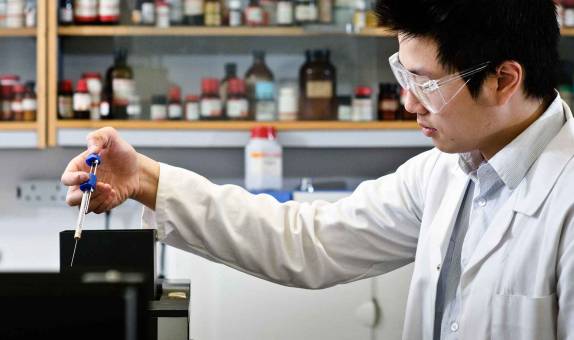
The analytical chemistry laboratory houses sophisticated equipment, including the high pressure liquid and gas chromatography detectors and spectrophotometers (HPLC and GLC), for the analysis of chemical substances.
We have two microbiology labs that provide excellent facilities for the study of a range of micro-organisms. They are equipped with the technology to carry out aerobic and anaerobic microbiology, molecular biology and a range of more-specialist diagnostic techniques.
Our Imaging suite includes our scanning electron microscope which uses electrons to image the surface of biological materials, and also generate compositional information. We also have a transmission electron microscope that is used to obtain detailed information about diseased tissues, while our confocal microscope creates sharp images of biological specimens, which, when fluorescent dyes are added, produce colourful images to reveal the inner functioning of cells.
Our state-of-the-art biotechnology lab provides excellent facilities for analysing genes and proteins at the molecular level. It includes a DNA sequencer, a quantitative PCR machine and tissue culture hoods for growing human cells in the laboratory.
There is also a suite of research laboratories where staff (and postgraduate students) are engaged at the forefront of biomedical research. These include:
Wide range of standard equipment including;
-
Sport and Exercise Science Facilities
The facilities at Kingston University are equipped to the highest standards ensuring quality research and to provide consultancy services to sport clubs and individual athletes.
This Human Performance Laboratory is separated into five designated rooms. The two larger laboratory spaces are equipped with; Monark cycle ergometers, a treadmill with incline-decline gradient, rowing and kayaking ergometers, a Lode Excalibur Sport air braked cycle ergometer, electromagnetically controlled cycle ergometers, Douglas bag apparatus and breath by breath analysers which allow us to perform both lab and field based assessments as well as a fully functional altitude chamber capable of mimicking approximately 3500m.
The remaining three laboratories house a body composition area which includes a Bod Pod, Tanita segmental analyser and Tanita abdominal fat analyser and numerous other anthropometric assessment tools. We have a designated room equipped to measure blood biochemistry from capillary and venous sampling and the final room is designed for preparation of sport nutrition supplementation.
- · VO2 Max Performance Tests
- · Lactate Threshold
- · Lung Function Tests
- · Wingate Anaerobic Power Tests
- · Body Composition Tests (%Fat)
- · Glucose & Cholesterol Testing
- Our Environmental Lab facilities include a purpose built heat chamber allowing us to provide heat acclimation strategies and pre-cooling manoeuvres to help athletes with their preparation for and competition in hot, humid conditions.
- Tolworth Sports Ground provide excellent facilities for outdoor sports. You will have access to:
- · 14 football pitches
- · 2 rugby pitches
- · 2 cricket squares (summer only)
- · 1 artificial cricket wicket (summer only)
- · mini-soccer pitches
- · floodlit training areas
- · 2 netball courts
- · 3 tennis courts
- · 6 seven a-side hardcourt football pitches.
- · 3D Motion Analysis (Walking/Running/Cycling/Kayaking/Golf)
- · 2D Gait Analysis and Cycle Optimisation
- · Integrated Force Plate Data
- · Postural Assessments
- · Range of Motion Tests
- School Visits
View some of our
consultancy facilities-
Physiology tests include
The Biomechanics Suite is separated into four designated rooms. The largest is equipped with a state of the art six-camera 3D motion capture system and 2 embedded force platforms. An isokinetic dynamometer is housed in its own area to isolate muscle torque and velocity relations and measure muscle activations through electromyography. The final area is the Anatomy room where students have the opportunity to further their understanding of the skeletal and muscular systems with the numerous real models and interactive programmes via integrated smartboard technology.
We are able to accommodate secondary school, college and sixth form students in our physiology/biomechanics and anatomy laboratories to come and experience a first hand on approach to sport and exercise science.
All sessions are run in a safe laboratory environment under the supervision from senior academic and technical staff
Pharmacy and Chemistry
View some images
of our facilitiesThe advanced equipment laboratory contains specialist analytical equipment such as LC-MS (both high resolution and tandem machines), which are used for the analysis of drugs of abuse (recreational and in sports cheating), ICP-MS & ICP-OES, for trace metals' analysis for both environmental and bio analytical applications and thermal analysis techniques, which are widely used in pharmaceutical analysis.
Our spectroscopy laboratory is where the study of the absorption, transmission and reflectance of light by materials takes place and is used by chemists to identify the molecules or atoms present in a sample. The lab features:
- · ultraviolet/visible spectrophotometers;
- · fluorimeters;
- · infrared spectrometers (FTIR and ATR);
- · a solid probe mass spectrometer; and
- · JEOL 60 MHz NMR spectrometer.
Our nuclear magnetic resonance facility works by detecting the nucleus of hydrogen (and other elements) using radio waves. Known as NMR spectroscopy, this is the most powerful technique available for identifying the structures of molecules, and modern chemistry would be impossible without it. Our facility includes both 400 and 600 MHz instruments, with the latter allowing us to get better resolution and analyse complex biomolecules.
The forensic laboratory houses equipment used to analyse forensic samples, such as electrostatic detection apparatus (ESDA), used for detecting imprints in documents; a video spectral comparator, used for detecting forged documents; a breathalyser; and a micro-FTIR machine used to analyse fibres. There is also a dedicated Crime Scene house used to recreate arson, assault, murder case scenarios for our forensics students.
The separation science laboratory contains a range of instruments for the analysis of chemical samples; in particular, instruments for gas and liquid chromatography (the separation of samples into their individual chemical components based on their volatility or polarity), gas chromatography-mass spectrometry (GC-MS), ion chromatography (IC) and capillary electrophoresis (CE). Students use chromatography to isolate and identify naturally occurring molecules from a range of plant materials, or to check the identity and purity of chemical and pharmaceutical samples, such as drugs.
The electron microscopy suite houses our electron microscope which uses electrons to image the surface of materials and also generate compositional information. It can magnify objects to a much higher resolution (several million times) than conventional microscopes, and can gather information on trace amounts of chemical substances in a range of materials, including minerals, metals and biological samples. The Raman spectroscope yields complementary information on the identification of compounds to our infrared machines.
Our innovative pharmacy practice laboratory enables students to develop their clinical skills through role-play in a controlled, yet authentic environment. The purpose-built facility boasts dispensing stations, a pharmacy counter, consulting area and the latest computing systems.
This nuclear science laboratory is dedicated to the measurement of radioactivity, and houses alpha, gamma and liquid scintillation counters.
We also have:
- · dedicated cell culture and pharmaceutical technology/physical chemistry laboratories,
- · teaching laboratories with associated service area,
- · a laboratory for LC-MS, ICP-OES, ICP-MS, AAS and thermal analysis instruments,
- · a service room accommodating technical support for the analytical/spectroscopic facilities,
- · four service rooms accommodating technical support for the above laboratories,
- · laboratories for pharmaceutics and pharmacology research.
-
Aerospace and Aircraft Engineering
View some Aircraft images
Aerospace Laboratory including:
· LEARJET 25
· Magnetic Particle Crack Detection
· 747 Cockpit GMS
· 737 Rear Fuselage Section
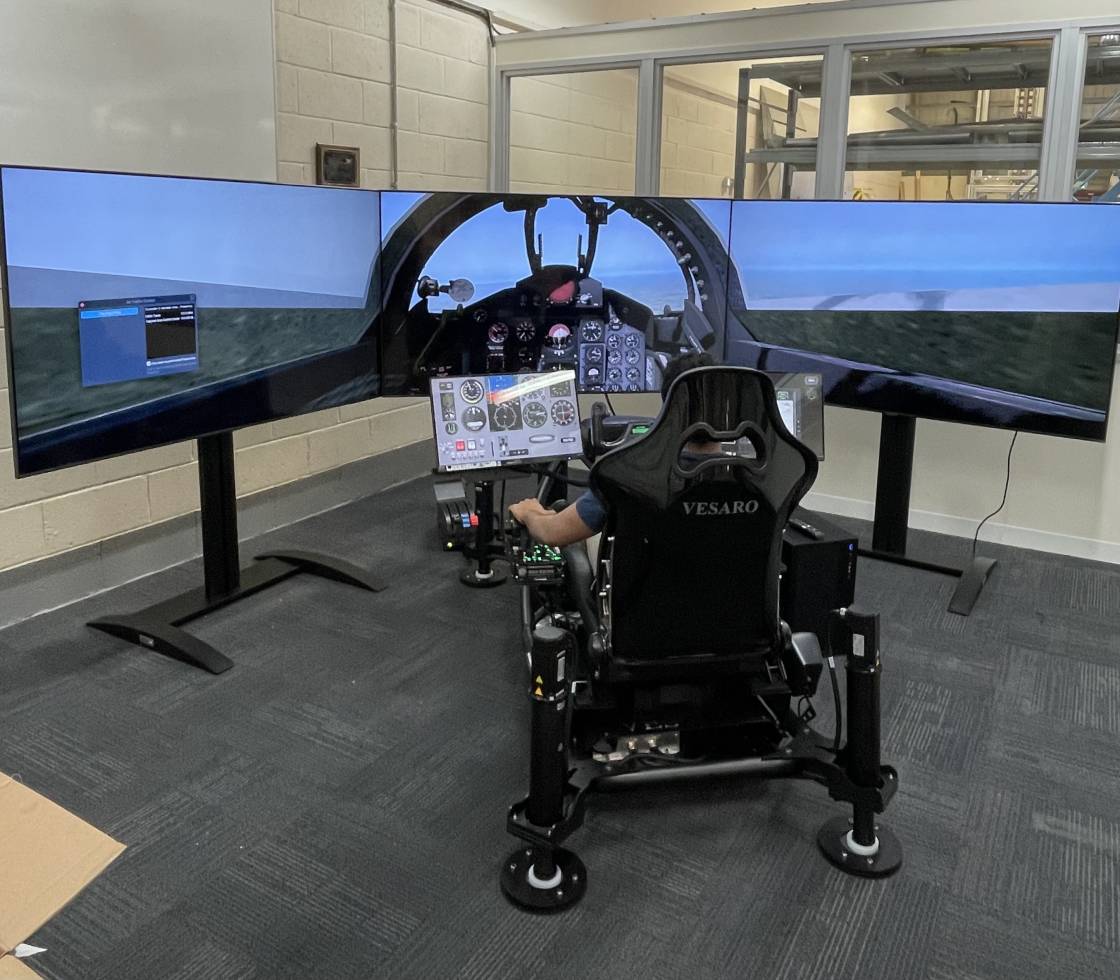
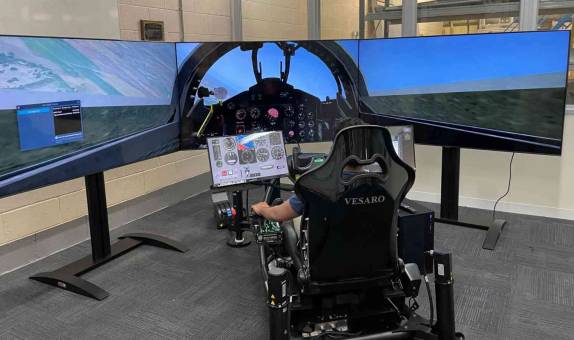
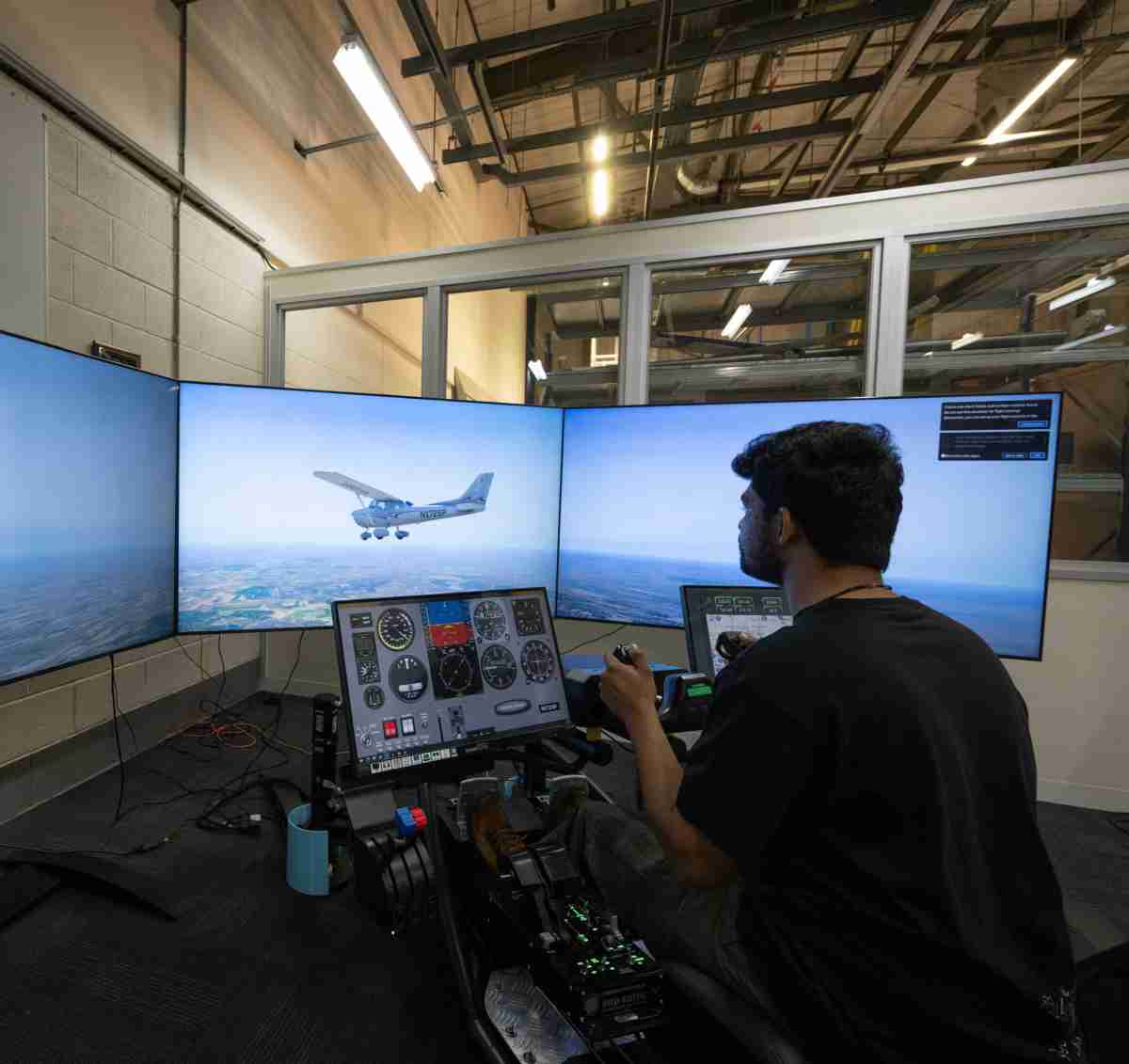
· FLIGHT SIMULATOR
Fluid Dynamics Laboratory including:
· CMP3 Pryanometer
· ESP-32HD high density scanner
· Enclosed and open wind tunnels
· Temperature measuring equipment
· Convective heat transfer
· Rotomat 950 Vertical storage
· Two shaft gas turbine
· Radial compressor
· Furnace micromanometer
· Pressure scanner
Composites Laboratory including:
· Infusion Glass Mould Machine
· Static & Dynamic Balancing Rig
Statics/Dynamics Laboratory including:
· Friction rig / Inclined Plane
· Bending Stress Rig
· Stress in a Beam Experiment
· Roof Truss Experiment.
· TM16 Vibration Rig
· Cantilever Beam Experiment.
· Z Beam Experiment
· Shear Force In a Beam Experiment
· Deflection of Beams Experiment
· Vibration Rig Experiment
· Centrifugal Experiment.
· Gyroscope Experiment
Oven Room including:
· Dorst Press
· Carbolite Furnace CWF/12/13/20
· Carbolite Vacuum Tube Furnace
· Gallenkamp Plus 2 Oven
· Griffin Incubator
· Carbolite Oven
Machine laboratory including:
· 3D printing maching
· Centre Lathe
· Vertical Milling Machine
· Bench Grinder
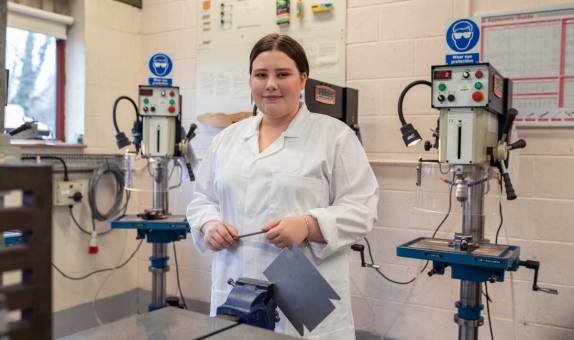
· Pillar drill
· Badsaw
· CNC Lathe
· Radial drill
· Rapid prototyper
· Vacuum casting
· Chemical wash
Materials Laboratory
· ML7000 Bench microscopes
· NENE tensile Tester
· Avery IZOD tester
· Houndsfield Impact tester
· Hi-Tech fatigue M/C
· Ultrasonic Bath -
Mechanical and Automotive Engineering
View some Mechanical and Automotive images
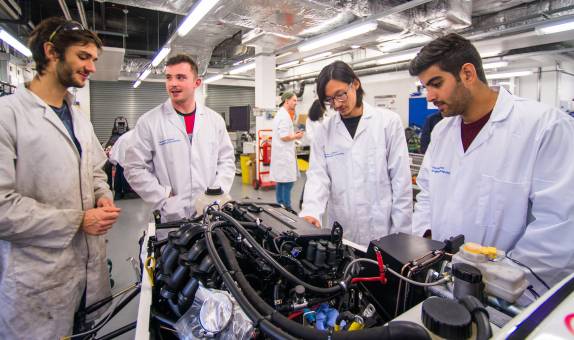
Engine Test Laboratory including:
· Sampling Unit
· Fuel consumption meter
· Dynamometer/Engine test cell
· Peugeot engine
· Mobile Hoist
· Suzuki 600cc engine
· Hydraulic Dynamometer
· Motor Exhaust gas analyzer
· Mexa Gas analyzer
Composites Laboratory including:
· Infusion Glass Mould Machine
· Static & Dynamic Balancing Rig
Statics/Dynamics Laboratory including:
· Friction rig / Inclined Plane
· Bending Stress Rig
· Stress in a Beam Experiment
· Roof Truss Experiment.
· TM16 Vibration Rig
· Cantilever Beam Experiment.
· Z Beam Experiment
· Shear Force In a Beam Experiment
· Deflection of Beams Experiment
· Vibration Rig Experiment
· Centrifugal Experiment
· Gyroscope Experiment
Oven Room including:
· Dorst Press
· Carbolite Furnace CWF/12/13/20
· Carbolite Vacuum Tube Furnace
· Gallenkamp Plus 2 Oven
· Griffin Incubator
· Carbolite Oven
Machine laboratory including:
· 3D printing maching
· Centre Lathe
· Vertical Milling Machine
· Bench Grinder
· Pillar drill
· Badsaw
· CNC Lathe
· Radial drill
· Rapid prototyper
· Vacuum casting
· Chemical wash
Materials Laboratory
· ML7000 Bench microscopes
· NENE tensile Tester
· Avery IZOD tester
· Houndsfield Impact tester
· Hi-Tech fatigue M/C
· Ultrasonic Bath
Roehampton Vale
Have a look at some virtual tours of the Roehampton Vale campus